
- Academics
- Admissions
- Enrollment & Registration
- Research
- Academic & Creative Spaces
- Strategic Partnerships
- Our Impact
- Student Affairs
- Alumni
- About VCUarts Qatar
- Community & Continuing Education
Explore the work of VCUarts Qatar’s Class of 2026—a new generation defining the future of creative research, art, and design.

Interior Design (Basics)
About this class
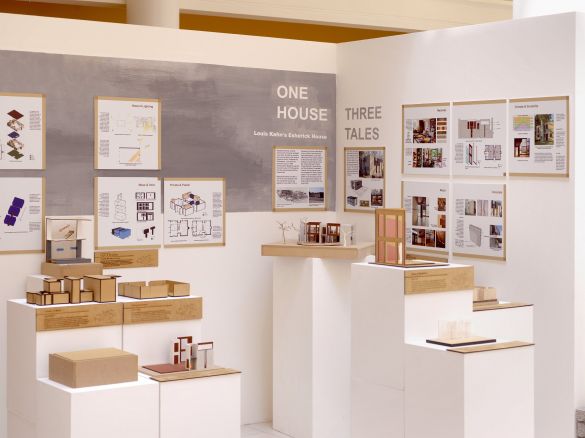
In this course, you will learn about the creative journey of the interior design process, broken down step by step. You will receive an introduction to the true essence of interior design and delve into the fundamental concepts and tools required to transform an exciting idea into a tangible, physical space.
Class Outline
1. Introduction to Interior Design:
- Explanation of what interior design is and what it encompasses
- Brief history of interior design
- Examples of interior designers’ work with various styles
- Introduction to understanding space
2. Understanding Space: 2D Plans & 3D Spaces
- Learning to translate 3-dimensional space into 2-dimensional plans; i.e. architectural drawings (plans/ sections/ elevations)
- Understanding measurements and scaling
- Learning basics of drafting standards, abbreviations, and symbols
- Project (Part 1): Drawing a scaled floor plan from a 3D-printed miniature house.
3. Space Planning & Circulation
- Learning the basics of space planning and circulation based on contextual information and zoning requirements
- Learning how to use space planning techniques such as bubble diagrams and block plans
- Project (Part 2): planning the space of a floor plan based on given information and requirements using bubble diagrams and block plans
4. Colors & Materials: Mood Boards
- Explaining color theory and psychology
- Understanding light and color in interior spaces
- Overview of the variety of materials, their characteristics and applications
- Overview of the variety of furniture and fixtures (FF&E)
- Examples of mood boards and collages
- A visit to the materials library at VCU-Qatar
- Project (Part 3): based on previous parts of the project, the student will develop their own mood board.
- Project (Part 4): create a collage of colors and textures, furniture and fixtures to visualize the mood of a room.
5. Visualization: Tools to Visualize Your Concept
- Drafting and sketching: understanding perspective
- Examples of software used to create plans and 3D renderings for interior design
- Discussing recent trends in interior design and its future advances
- Project (Part 5): sketch a one-point perspective room using the mood board and collage created in the previous classes
Materials needed
Please note: VCUQatar reserves the right to cancel classes for which not enough participants are registered. Already paid fees will be refunded.
Please do not purchase materials until VCUQatar has sent final course confirmation.
Items to buy for this class
Participants are required to procure their materials in advance and bring them to each class.
- Scale rulers
- Tracing paper
- Marker paper pad
- Technical drawing pens
- Colored markers
On occasions, there may be some more materials to be bought and brought in if and when advised by the instructor.
Where to buy your materials
Most of the materials are available from any art supply shop, for example:
- Cass Art (Fire station): Community Classes students get a 15% discount upon presenting the registration ticket
- Jarir Bookstore: on Rayyan Road or Salwa Road
- Color Note: on Al Nasser Street
- Ibn Al Qayyim: at Markhiya Roundabout
- Al Rawnaq
Schedule
Start: Mon, 2 Oct, 2023
End: Mon, 6 Nov, 2023
Lessons: 6
Days: Mondays
Time: 6:00pm – 8:00pm
Location: VCUarts Qatar Campus
Cost: QAR 850
Instructor
Nada Abbara
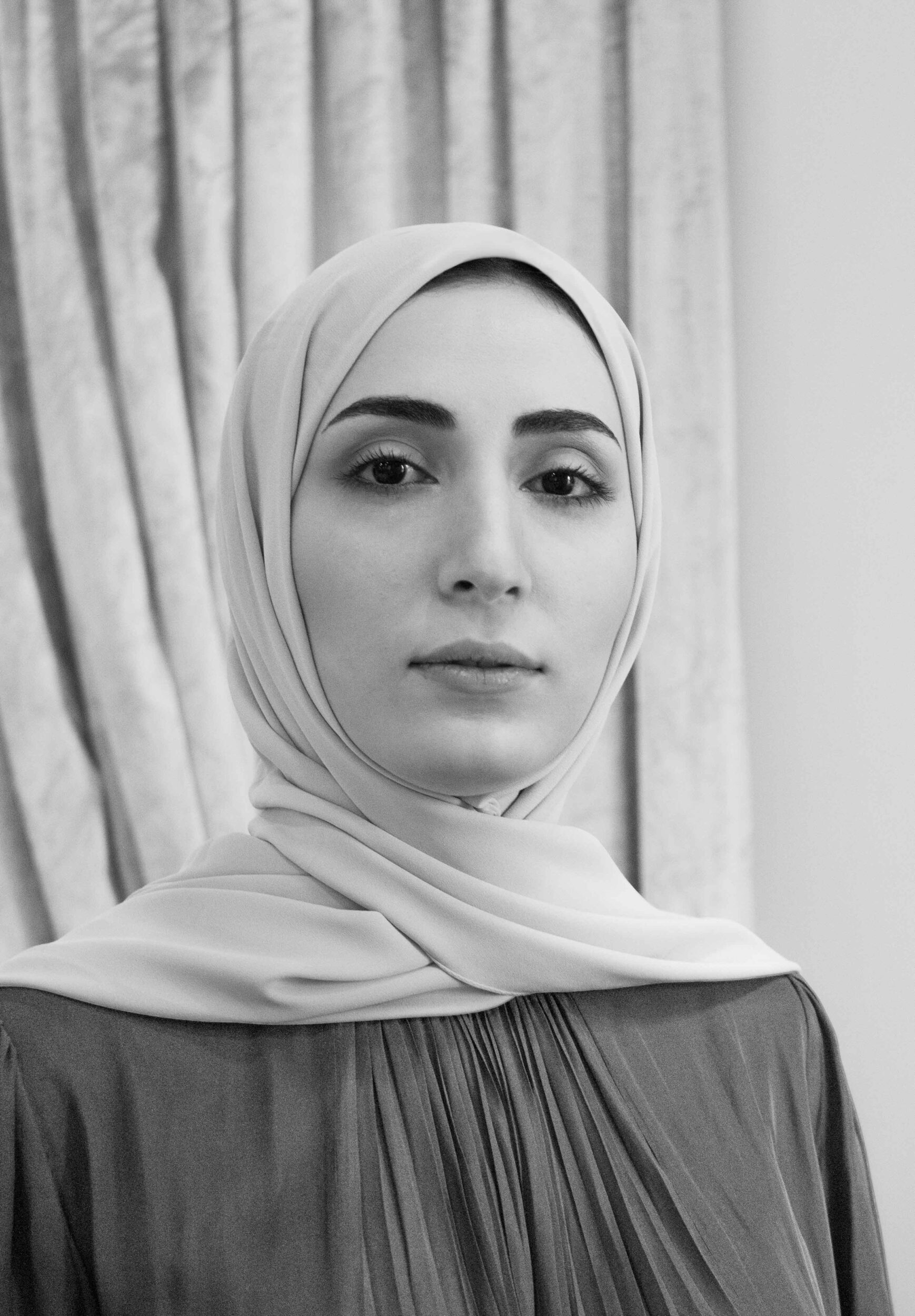
Nada Abbara is an artist and multidisciplinary designer, who earned a BFA in Interior Design in 2019, and an MFA in Design in 2021. She currently works as a multidisciplinary designer at one of the most renowned architectural companies in Qatar, Arab Engineering Bureau. She is also a co-founder of Abbara, a design and art startup company.Her passion for design propelled her learning process throughout years of practice. She developed her creative identity through the exposure to various fields and experiences that encompass robotics, set design and filmmaking, graphics and illustrations, art and prints, and research.

Amani Abbara
Amani Abbara perceives art and craftsmanship as imperative components of her design philosophy. Gaining and teaching design and art skills is a source of deep interest and profound satisfaction for her. Throughout her career, Amani has pursued a rigorous and diverse range of experiences, tackling design problems and overcoming real challenges. This is precisely what she aspires to continue doing for the rest of her professional life – designing, connecting with new people, conducting research, experimenting, inspiring others, and sharing valuable knowledge. Currently, Amani is actively engaged in developing her unique design aesthetic or brand, which is characterized by “responsive” or interactive spaces and products. Her dedication to pushing the boundaries of design and creating innovative, interactive experiences sets her apart in the field of interior design.