
- Academics
- Admissions
- Enrollment & Registration
- Research
- Academic & Creative Spaces
- Strategic Partnerships
- Our Impact
- Student Affairs
- Alumni
- About VCUarts Qatar
- Community & Continuing Education
ADMISSIONS FOR FALL 2027 NOW OPEN + NEW MERIT SCHOLARSHIP AVAILABLE

Developing Characters Through Visual Storytelling (18+)
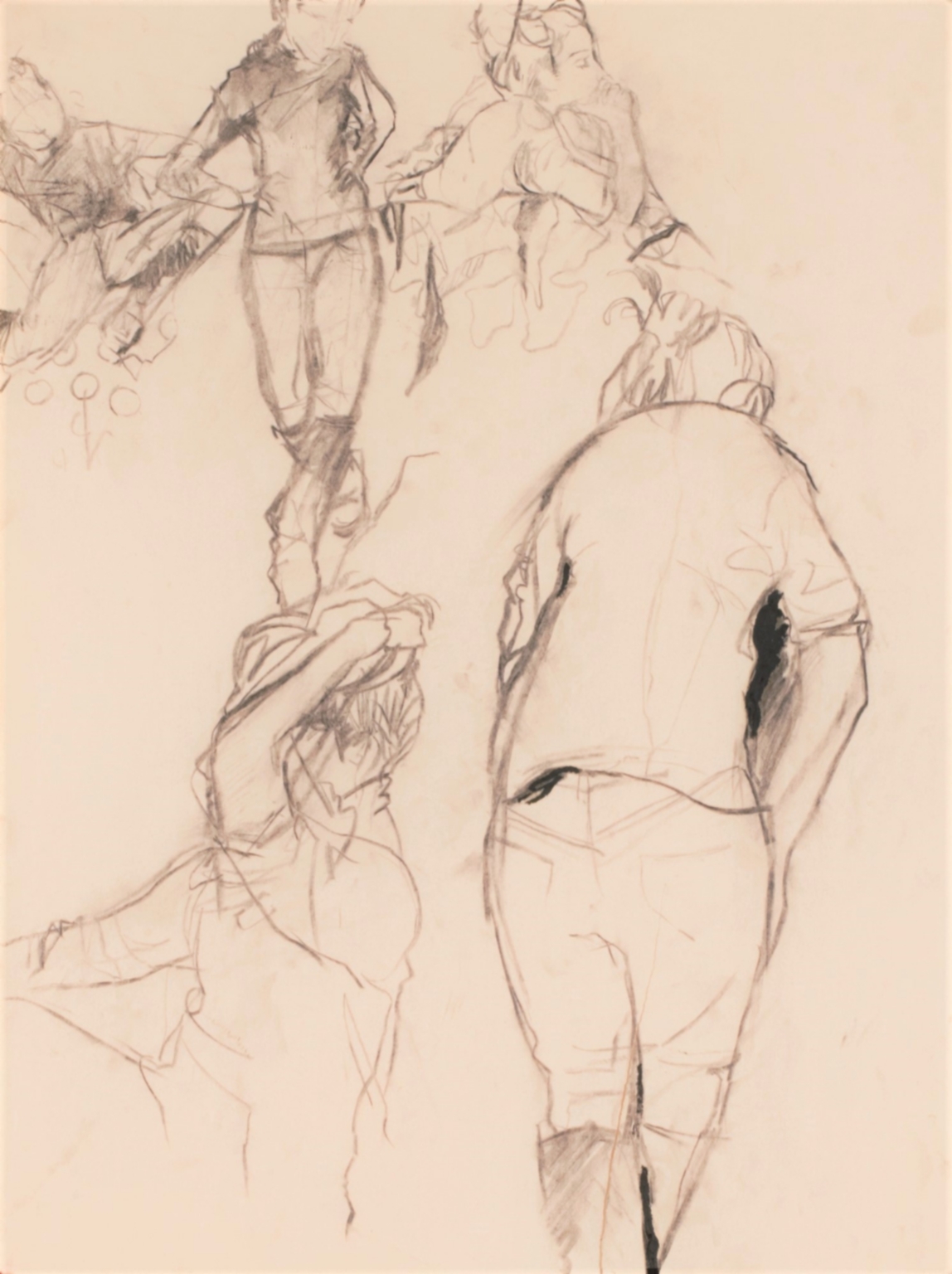
About This Class
Discover how characters can become the starting point for compelling visual stories.
This hands-on illustration course introduces participants to visual storytelling through character design, guiding them through the complete creative process—from initial research and idea generation to character development, world-building, composition, colour exploration, and a finished illustration.
Rather than completing separate exercises each week, participants will work on one connected creative project throughout the course, allowing ideas to evolve and develop over time.
Through demonstrations, guided studio practice, individual feedback, and group discussions, participants will be encouraged to experiment, refine their ideas, and develop their own creative voice.
No single visual style is prescribed. Participants will be supported in developing an original character and narrative that reflect their individual interests and artistic approach.
What You Will Learn
By the end of the course, participants will be able to:
- Understand illustration as a form of visual storytelling.
- Use visual research, moodboards, and sketchbook practices to generate and develop original ideas.
- Create original characters using shape, silhouette, proportion, gesture, and expression.
- Communicate personality and emotion through visual choices.
- Build a visual world around a character using environments, objects, costume, and narrative details.
- Apply composition and visual hierarchy to communicate ideas effectively.
- Use colour palettes to establish mood and atmosphere.
- Develop an illustration from initial concept through to refined final artwork.
- Present and discuss creative decisions using appropriate visual communication vocabulary.
Class Outline
Session 1 – Idea & Concept
Explore creative prompts, visual questions, and personal interests to develop the starting point for your illustrated narrative.
Session 2 – Research & Visual Development
Build references and moodboards, undertake visual research, and begin exploring ideas through sketching.
Session 3 – Character Design
Develop your character through shape language, silhouette, proportion, and visual identity.
Session 4 – Character & Personality
Explore facial expression, gesture, movement, and body language to communicate personality and emotion.
Session 5 – Building the Visual World
Create the world surrounding your character through environments, objects, costume, and narrative details.
Session 6 – Composition & Colour
Explore framing, visual hierarchy, colour palettes, mood, and visual flow to strengthen your storytelling.
Session 7 – Final Artwork
Refine your illustration through individual guidance, feedback, and focused studio production.
Session 8 – Presentation & Critique
Present your completed artwork, reflect on your creative journey, and participate in a supportive group critique.
Final Project
Throughout the course, each participant will develop an original character and a finished illustrated scene that communicates personality, emotion, and narrative.
The project will bring together:
Visual Research · Character Development · Sketching · Visual World-Building · Composition · Colour Exploration · Final Illustration
Final Deliverable
A completed original character-based illustration, supported by the participant’s creative development process and presented through a short final presentation.
The medium may be selected according to the participant’s project and available studio resources.
Course Approach
This course combines technical foundations with creative thinking and individual artistic development.
Each session includes focused demonstrations, visual references, guided studio practice, individual instructor feedback, and opportunities for discussion and critique.
Participants will not simply reproduce a fixed example. Instead, they will develop their own characters and visual narratives through a structured creative process where research, experimentation, revision, and refinement are considered essential parts of developing the final work.
Research → Ideation → Development → Sketching → Refinement → Presentation
Materials needed
All materials required for this course will be provided by VCUarts Qatar. Participants are also welcome to bring or purchase their own preferred materials if they wish.
Participants will work with a selection of traditional illustration materials, which may include:
- Sketchbook or process journal
- Graphite pencils
- Eraser
- Fineliners
- Coloured pencils
- Alcohol-based markers
- Watercolours
- Mixed-media or illustration paper
- Basic cutting and collage materials, where appropriate
Materials may be adapted depending on studio availability and the requirements of each participant’s final project.
Schedule
Dates: April 5–28, 2027
Days: Mondays & Wednesdays
Time: 5–7 p.m.
Location: VCUarts Qatar Campus
Course Fee: QAR 950
Instructor
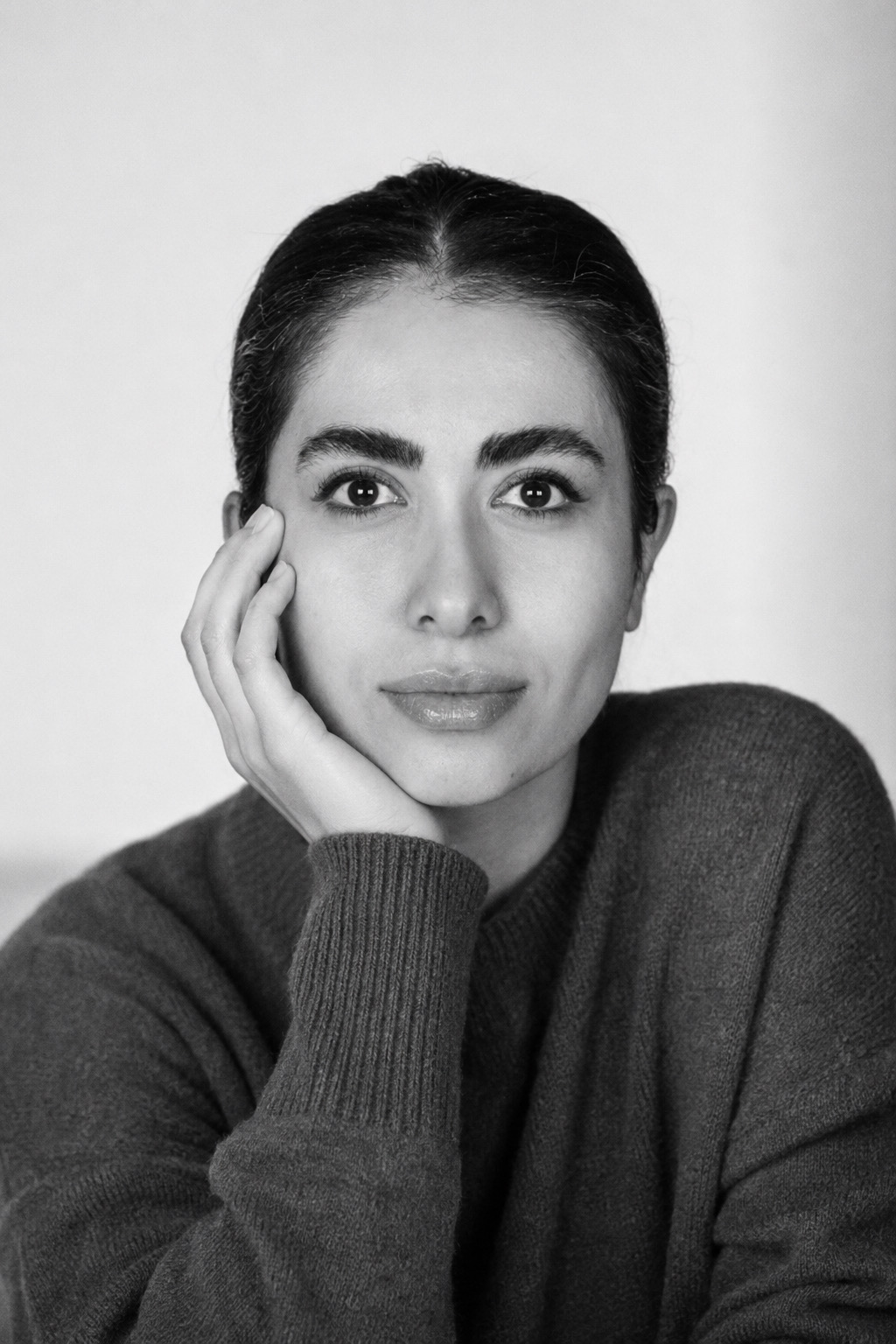
Sahar Mansoor
Sahar Mansoor is an illustrator and creative educator based in Qatar, specializing in illustration, character design, and visual storytelling.
She holds a Master’s degree in Illustration and has extensive experience teaching art courses and creative workshops for both children and adults.
Her artistic practice explores the relationship between imagination, emotion, and storytelling. Her teaching approach combines observation, experimentation, visual research, and hands-on studio practice, encouraging participants to build confidence while developing their own creative language.