
- Academics
- Admissions
- Enrollment & Registration
- Research
- Academic & Creative Spaces
- Strategic Partnerships
- Our Impact
- Student Affairs
- Alumni
- About VCUarts Qatar
- Community & Continuing Education
NOTICE:
Amid the ongoing regional situation the university has moved to remote operations and public access to its premises are not available. Information on scheduled activities will be communicated to individuals directly.

VCUarts Qatar at La Biennale di Venezia 2026
أغرب إدراك | Aghrab Idrāk: Thresholds of Perception
June 1–November 22, 2026
10 a.m.–6 p.m.
Palazzo Cavanis at the Zattere, Venice, Italy
أغرب إدراك | Aghrab Idrāk: Thresholds of Perception explores perception as a relational and situated way of knowing. Structured as a sequence of spatial thresholds, the exhibition invites visitors to move through environments shaped by light, shadow, sound, movement, and material presence. Rather than centering spectacle, the works foreground subtle forms of experience — where meaning emerges through proximity, ambiguity, and sustained sensory attention.
The exhibition brings together projects from ten research labs within the Institute for Creative Research at VCUarts Qatar. Each lab contributes a distinct line of inquiry, forming a landscape of intersecting approaches rather than a single narrative. Together, the works reflect the Gulf region’s long histories of exchange and circulation across space and time, emphasizing plurality, mobility, and layered cultural memory.
Across the exhibition, material systems function as modes of sensing and inquiry. Light, sound, and movement are not illustrative elements but active agents in the production of knowledge. Visitors encounter research not as fixed conclusions, but as evolving propositions — experiential, negotiated, and emergent.
Lab-based research at VCUarts Qatar operates as a collective and situated practice. Projects develop through experimentation, dialogue, and shared authorship, remaining attentive to material, cultural, and social conditions. In this context, place is not a backdrop but an active condition shaping how understanding takes form.
Extending these concerns, the accompanying symposium, Relational Ecologies: Perception, Mobility, and Collective Form, provides a discursive platform that deepens the exhibition’s themes. Through conversations on perceptual, translocal, and collaborative ecologies, the symposium examines how creative research generates knowledge through connection — between bodies, histories, infrastructures, and environments.
Curatorial Statement
أغرب إدراك | Aghrab Idrāk: Thresholds of Perception offers a polyvalent chorus of voices, practices, and processes emerging from the Institute for Creative Research (ICR) at VCUarts Qatar. Inspired by Koyo Kouoh’s call to attend to “the other worlds that artists make—the intimate and convivial universes that refresh and sustain,” the exhibition emphasizes creative research not as solitary production, but as collective, embodied, relational inquiry. Here, research becomes gathering: assembling divergent disciplines, materials, stories, and sensibilities into experimental models of knowledge and action.
Installed within the historic rooms of Palazzo Cavanis at the Zattere, the exhibition unfolds through a series of encounters. Each space functions as a threshold—between light and shadow, sound and silence, past and future possibilities— as visitors progress through works spanning sound, film, robotics, immersive storytelling, textile arts, typography, ecology, ethnography, and nanotechnology. Each project stands independently while forming part of a dynamic, evolving sensory and material landscape.
The Arabic phrase aghrab idrāk (“strange knowledge” or “unusual perception”) originated in philosophical discourse between the ancient Greek and Arab worlds. Its use here invokes those histories of exchange alongside contemporary explorations of meaning across horizons, embracing understandings in excess of certainty or subject-specificity. In this spirit, the exhibition advances models of knowledge grounded in hybridity, plurality, and responsiveness to context. Rooted in Qatar’s histories of migration, exchange, refuge, and rapid transformation, the works embody a research ethos shaped by local conditions while engaged in global dialogue. Rather than presenting knowledge as conquest or definitive “truth,” أغرب إدراك| Aghrab Idrāk: Thresholds of Perception proposes research as contiguous, cohering, and interconnected. Exhibition-making becomes a site where diverse perspectives and phenomena converge, challenge, and sustain one another. Across these rooms, creative practice operates as ethical action—an ongoing negotiation of difference that transforms individual impressions into collective insight.
Projects
The collateral event, أغرب إدراك | Aghrab Idrāk: Thresholds of Perception, is co-curated by Dr. Hesperia Iliadou, Director of the Museums & Exhibitions Study Society in Venice, and Chase Westfall, Head of Gallery at VCUarts Qatar.
It will showcase faculty-led creative research from across VCUarts Qatar’s Institute for Creative Research’s interdisciplinary labs featuring projects developed by (In)>Tangible Lab, TypeAraby, GA:MA Lab, AlBokeh Lab, xLab, Water With Water, Sonic Jeel, Boost Lab, Mesh Lab, and Anthrotech Atelier.
Mapping Migration Memories
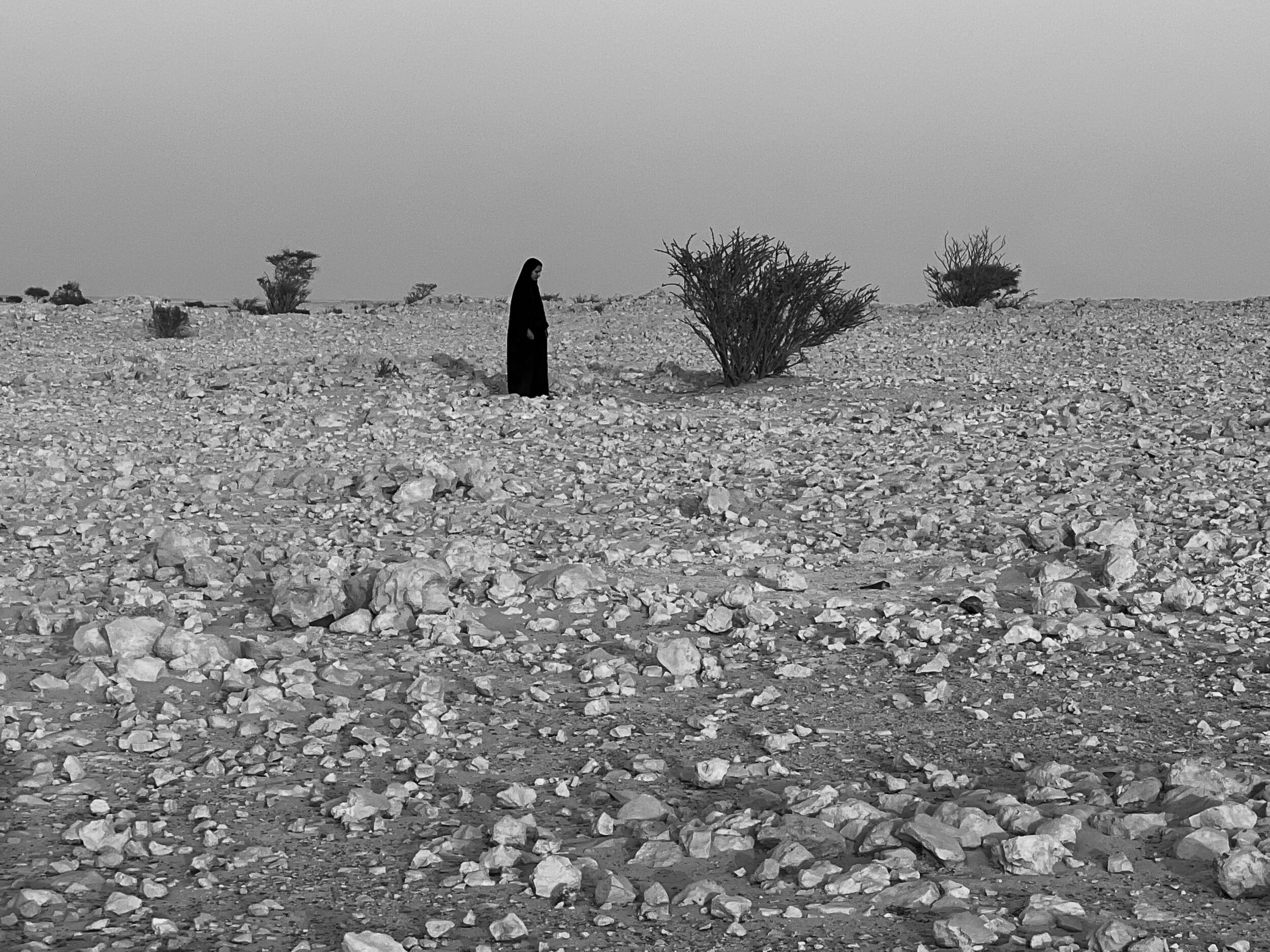
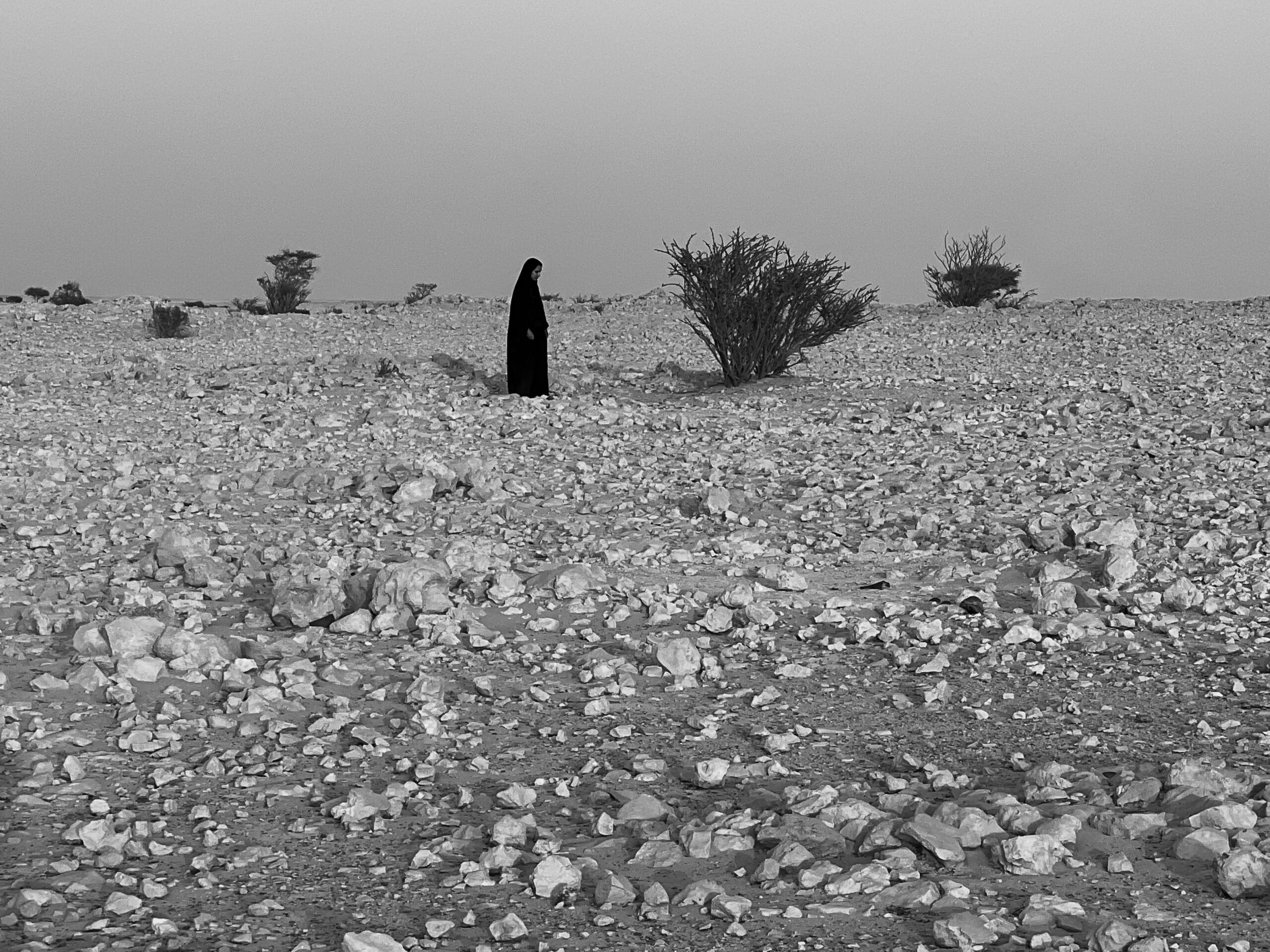
Drawing on familial memories and oral histories, Mapping Migration Memories renders ephemeral cultural experience into a sensory archive. The project traces journeys across desert landscapes historically traversed by communities whose movements followed ecological rhythms, seasonal economies, and social bonds. By immersing visitors in a soundscape, the work invites us to encounter the desert not as abstraction but as a specific, living environment—dense with subtle textures, dimensions, rhythms, and beauty. Audio becomes a threshold into place, countering the visual dominance of contemporary media. As direct and immediate descendants of Qatar’s migratory peoples, the young women participating in the project renew embodied connections to family and heritage, positioning them within a living continuum of knowledge. Migration emerges not simply as movement across space, but as a relational practice linking environment, memory, and community across generations.
From the Lab (The (IN)>Tangible Lab):
The (IN)>Tangible Lab activates histories, ecologies, and cultures as living, malleable materials, connecting students to Qatar’s cultural and environmental ecosystems through collective inquiry. This approach is exemplified in Mapping Migration Memories, which retraces ancestral routes via archival materials, oral histories, and student-led expeditions across Qatar, transforming lived histories into immersive cartographies and exhibitions in dialogue with Qatar’s present and future. Positioned at the intersection of cultural and environmental sustainability, the Lab foregrounds resilience, producing knowledge that is generative, relational, and engaged with local and global contexts.
Principal Investigator: Astrid Kensinger
Project Team: Latifa Al Ali, Alaa Albarazy, Maha AlMarri, Sara Al Naimi, Alanood Al Thani, Dr. Aspa Chatziefthimiou, Raviv Cohen, Fatima Dauleh, Dr. Louis-Philippe Demers, Guillaume Rouseré, Shaima Sherif
Oceans & Lands: Drifting Senses and Knowledges
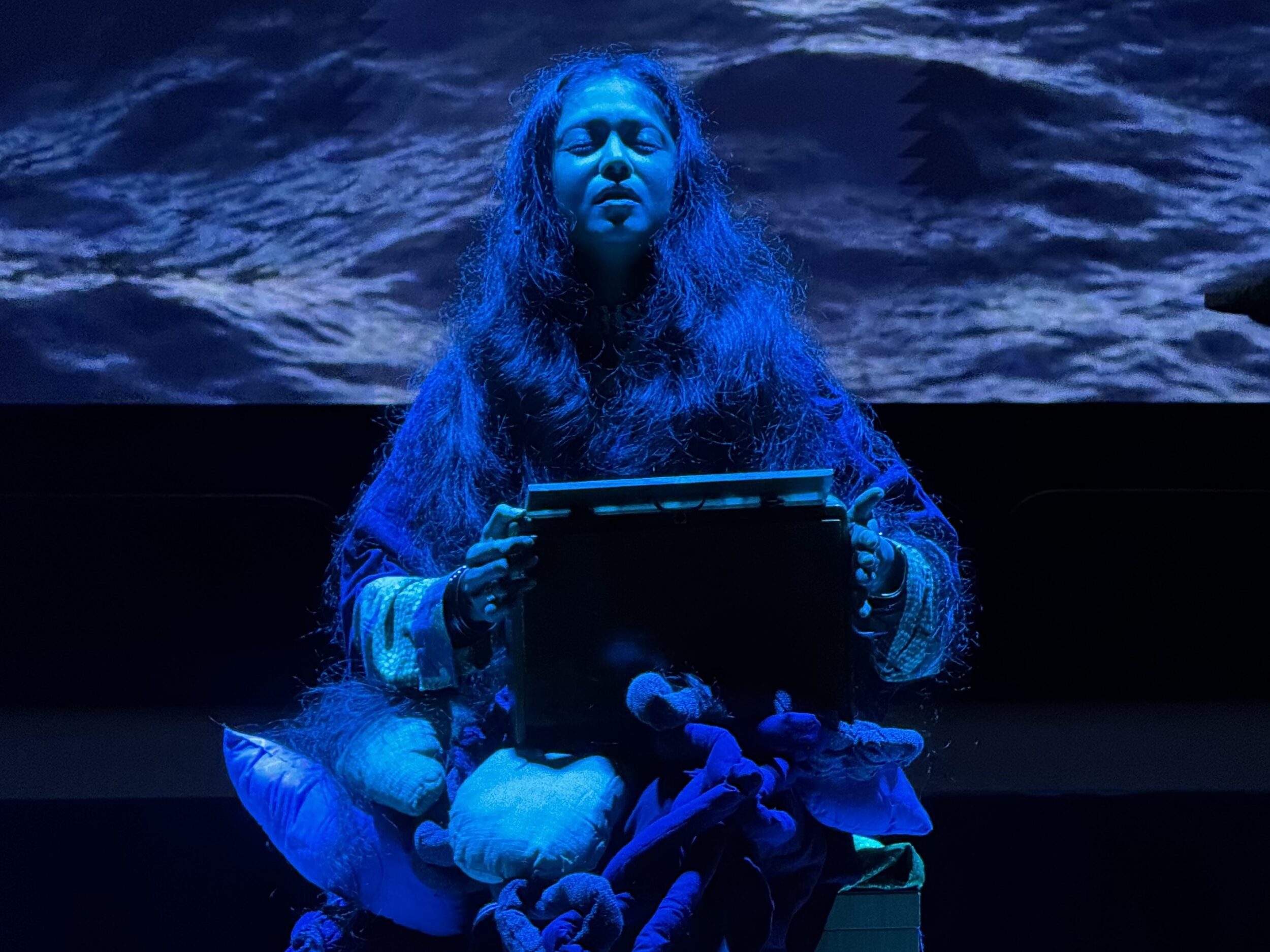
Oceans & Lands: Drifting Senses and Knowledges explores histories of circulation across the Indian Ocean, where trade and empire fueled movements of peoples, materials, and cultures between the African coast and Asian subcontinent. Textiles, trade goods, antique furniture, costumes, and sound combine in an installation that foregrounds the body as a transmutable archive—bearing traces of trauma and adaptation. Churning like water, the meaning of each object is polyvalent and intersectional: a colonial desk and sailor’s trunk, symbols of alien authority and extractivist violence, double as repositories of sensory memory, echoing how histories are inscribed in biology and onto everyday objects. Sound becomes a vessel for listening to layered pasts, gathering fragments of experience that official narratives often erase. Moving between stillness and motion, the installation invites reflection on how migration, memory, and power remain entangled within the material conditions that shape historical consciousness.
From the Lab (GA:MA Lab):
This installation grew from the encounter between GA:MA Lab and artist-scholar Kathyayini Dash, reflecting our shared commitment to exploring transcultural flows and creativity across oceans and lands. The space embodies our desire to rethink interconnected histories of Asia, Africa, the Gulf, and beyond—to re-center minor expressions and voices. In the spirit of decolonizing terra-centric perspectives, we embrace fluidity over fixity and seek pathways that connect rather than separate our lived ecologies. Thus, we pay attention to the process of ‘drifting’—a slow motion between places—conceived not as aimless or unaware, but as a thoughtful movement that ascribes agency for humans and non-humans. Since objects carry smells, flavors, sounds, and memories, they narrate stories of mobility and multiple elsewheres. We intend the materials in the installation—from the desk, the chair, and drawers to fabrics, spices, and sounds—to vividly remind us of cultural exchanges that shaped multiple sites across waters, including Venice.
Principal Investigators: Dr. Neelima Jeychandran, Dr. Monica Merlin
Project Team: Dr. Kathyayini Dash
Bandhani Arabi: From Thread to Word
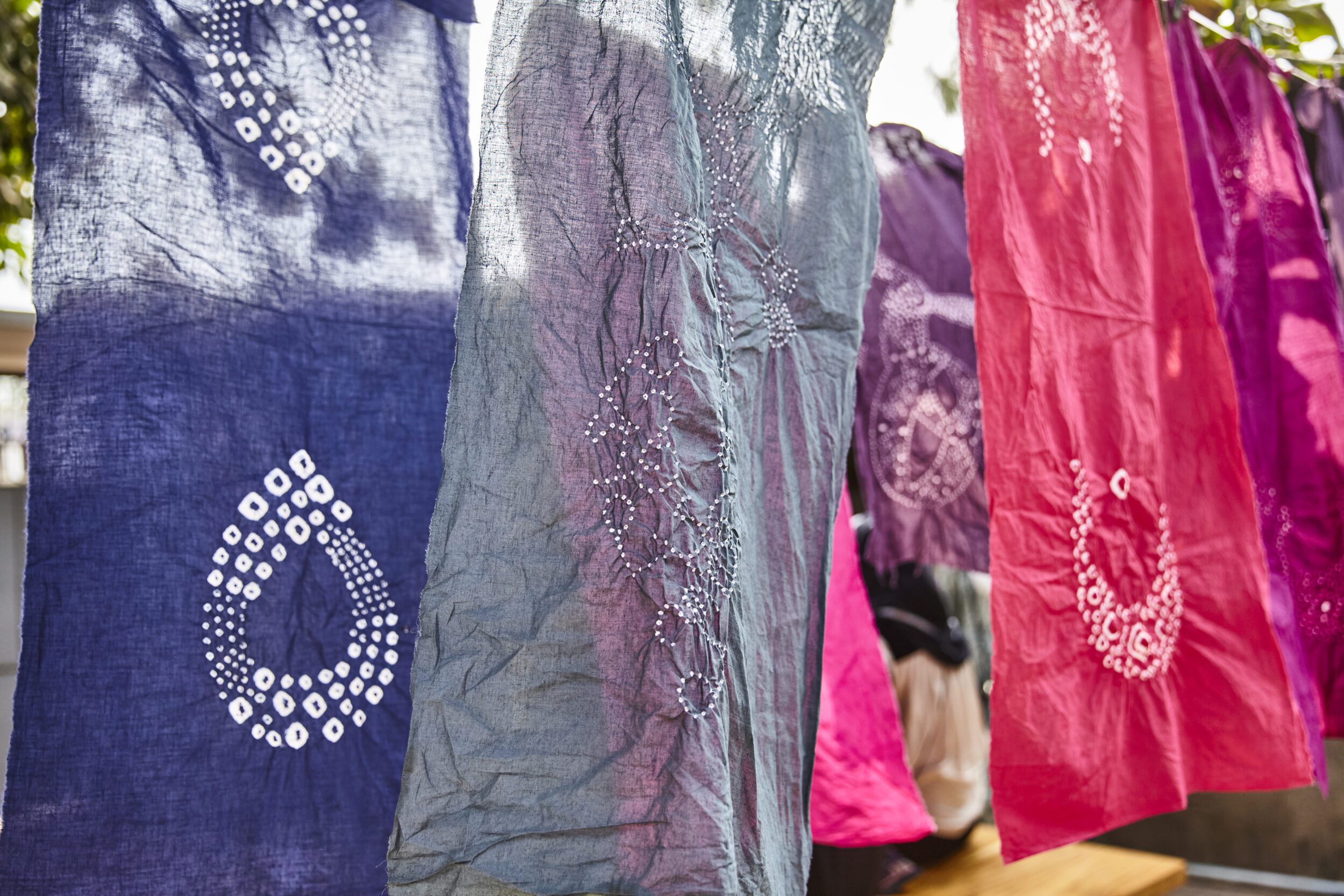
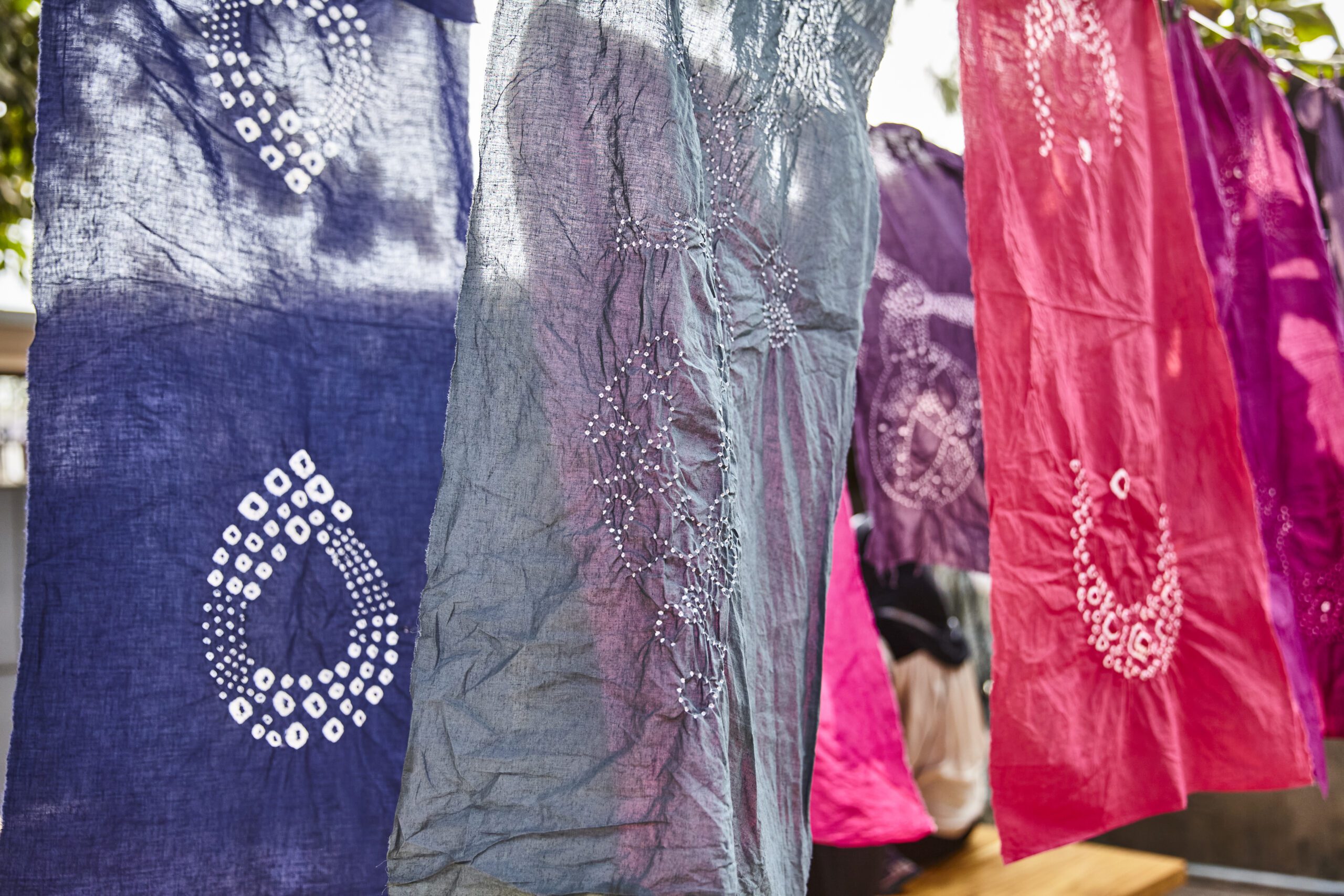
Bandhani Arabi: From Thread to Word investigates language as a terrain of cultural exchange. Through collaborative community workshops with local artisans, the project emphasizes language as an adaptive, open system, continually reshaped through collective labor. The unique materiality of the calligraphic letterforms of Arabic and South Asian traditions becomes both method and metaphor, demonstrating how embodied cultural knowledge travels through space and time. These letterforms reveal centuries of cultural transmission among regions linked by trade, migration, and faith, where scripts and symbols circulated alongside goods and peoples. As it does with language, the project reinvigorates craft as a site of shared experience and experimentation. Typography emerges as a threshold between languages, geographies, and histories, highlighting the plural genealogies that inform contemporary visual culture.
From the Lab (TypeAraby):
Bandhani Arabi is a collaborative project between the TypeCraft Initiative and TypeAraby that explores the intersection of craft and typography. Drawing from the intricate tie-dye traditions of Bandhani practiced in Bhuj, India, alongside the calligraphic heritage of Arabic, Farsi, and Urdu scripts, the project foregrounds craft as an alternative way of knowing and making. In contrast to modernist design approaches that often separate form from cultural context, this work begins with embodied knowledge, material processes, and collective practice. Working closely with Muslim women artisans who sustain this centuries-old craft, the design process treats Bandhani not as ornament but as a generative system for letterform construction. The works presented here are textile interpretations of typographic forms, translated through hand-tied and dyed fabrics that explore multiple compositions within an evolving typographic language.
Principal Investigator: Basma Hamdy
Project Team: Shima Aeinehdar, Zainab Al‑Shibani, Selma Fejzulla
In partnership with:
Typecraft Team: Andreu Balius, Ishan Khosla
Bandhani Team: Bhavana Ajani, Fahd Khatri, Farheen Khatri, Farzana Khatri, Saleha Khatri, Samiya Khatri, Talha Khatri, Shabana Manjothi, Nuren Memon, Rizwana Momon
Sonic Fields
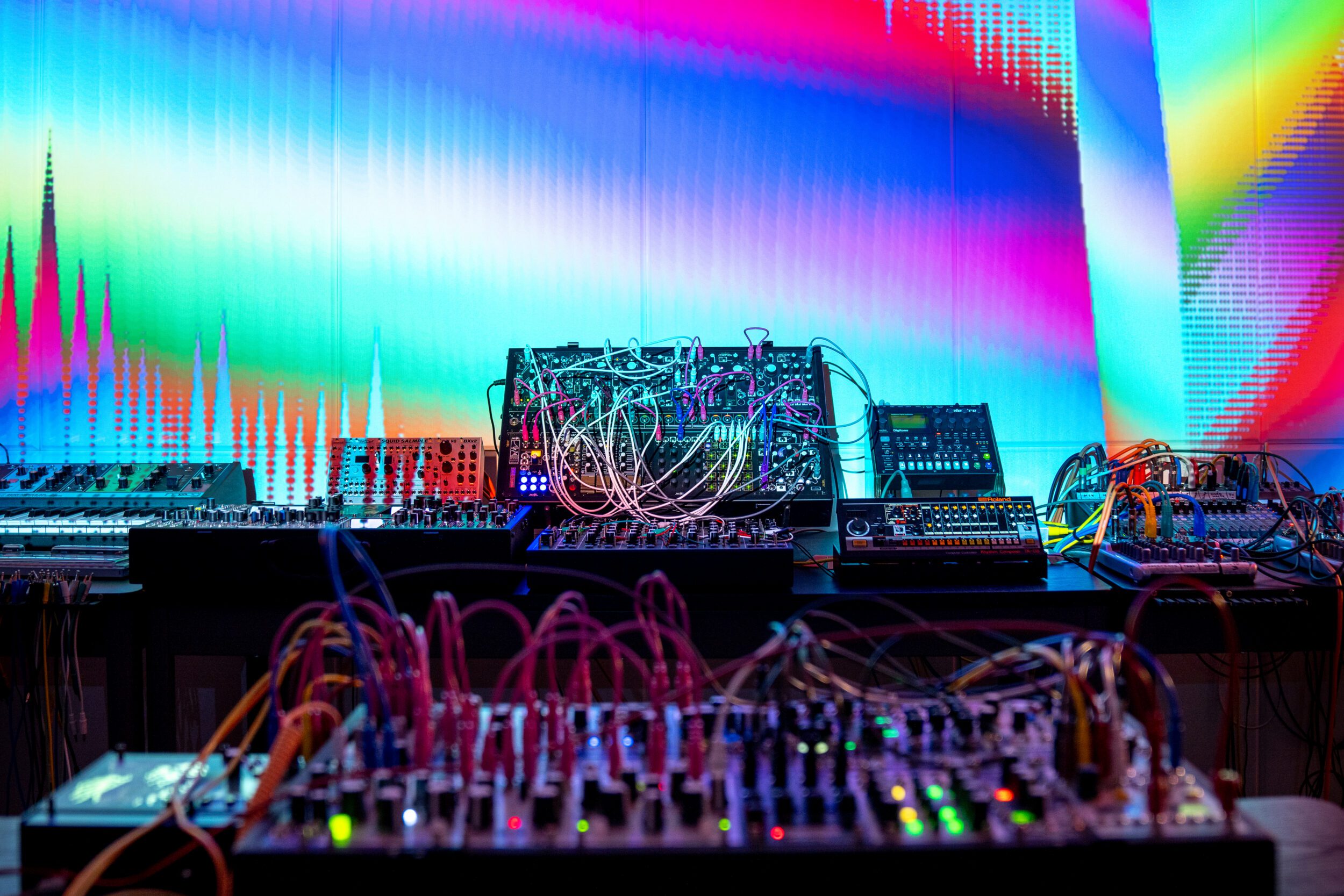
Sonic Fields gathers the disappearing soundscapes of Doha as the city undergoes rapid transformation. Drawing from field recordings across the city’s diverse and vibrant public spaces, the project creates a generative audio environment in which fragments of urban life continually intersect and overlap. Rather than presenting a fixed composition, the work unfolds through ongoing permutations of sound—echoes of the city’s everyday rhythms. These evolving sonic textures function as an archive of place, and of the people that inhabit it, preserving moments that would otherwise be lost to time. Listening becomes an act of historical attention, raising questions about how memory persists within the auditory environment. By foregrounding sound as a vehicle of cultural and spatial documentation, Sonic Fields reminds us that the city is not only a visual landscape,but a living field of multi-sensory resonance.
From the Lab (Sonic Jeel):
Sonic Fields is an immersive sensory experience shaped by fragments of a city in transition. The work unfolds as a shifting soundscape built from local field recordings stretched and blended with granular textures and glitches. From early morning birds along the corniche to dhow boats in the harbor, biryani prepared in the souq, and sounds of the World Cup, the piece curates an array of moments that connect past and present. A modular synthesizer triggers the audio into unpredictable sequences, allowing fragments to surface, fade, and return. Electronic pulses and drifting tones weave through the field recordings, blurring documentary reality with dreamlike memory. Continuously shifting with every playthrough, Sonic Fields functions as a living archive of Doha’s evolving landscapes and transitional spaces.
Principal Investigators: Michael Hersrud, Simone Muscolino
Chrysalis
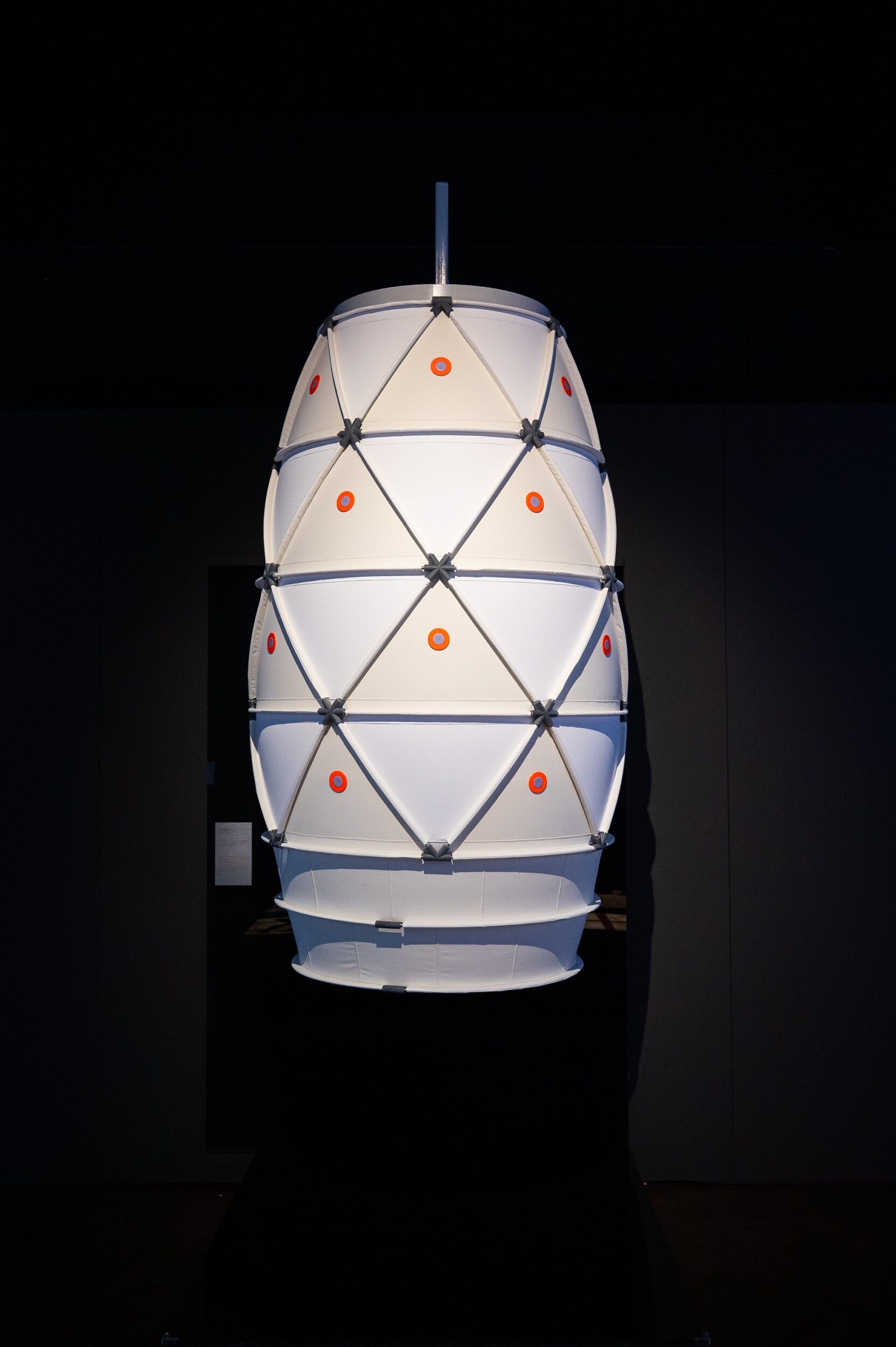
Chrysalis emerges from interdisciplinary collaboration between artists, scientists, and engineers, demonstrating how research expands through collective inquiry. At its center is a breathing mechanical sculpture whose rhythmic motion evokes the fragile reciprocity between organic bodies and the atmosphere they inhabit. Designed to purify air, the device appears almost animate: its organic forms and audible respiration invite viewers to recognize parallels between technological systems and living creatures. Listening to its breath heightens awareness of our own, foregrounding the shared ecological conditions that sustain life. In this exchange, the sculpture’s restorative action—cleansing what human industry has polluted—becomes both technological intervention and symbolic gesture. The work proposes an ethics of cohabitation, where innovation and responsibility converge in response to planetary fragility.
From the Lab (Boost Lab):
The world is filled with hidden beauty. Our team exists to discover and share it. We are designers, obsessed with refinement. We are coders, who speak the language of machines. We are scientists, who capture and rearrange molecules, turning poisonous gas into fresh air. We are artists, who shape material, form and motion, to express the alchemy of respiration. Within its tent-like internal volume, Chrysalis contains a hidden world of moving parts—spinning motors, spooling cables, invisible signals—flowing through tiny circuits. It is a miniature industrial landscape built from imagination and wonder.
Perceive differently; seek strange knowledge; discover hidden beauty.
Principal Investigator: Rab McClure
Project Team: Dr. Rola Al‑Soubaihi, Levi Hammett (xLab), Erzum Naqvi
The Gulf Between Us
The Gulf Between Us is a crowdsourced publishing initiative that assembles plural narratives of the Gulf region. Through collaborative authorship and design, the project resists singular histories in favor of a participatory archive shaped by many voices. Contributors share personal reflections, memories, and speculative perspectives, revealing the Gulf as a dynamic field of perpetual cultural negotiation. Print becomes a democratic medium—circulating stories beyond institutional frameworks, and preserving experiences that might otherwise remain fleeting. In an era dominated by digital platforms, the tactile intimacy of the printed book asserts the continued relevance of analog forms. The publication thus operates simultaneously as artwork, archive, and social platform, foregrounding collective storytelling as a method for imagining more inclusive histories and futures.
From the Lab (Water With Water):
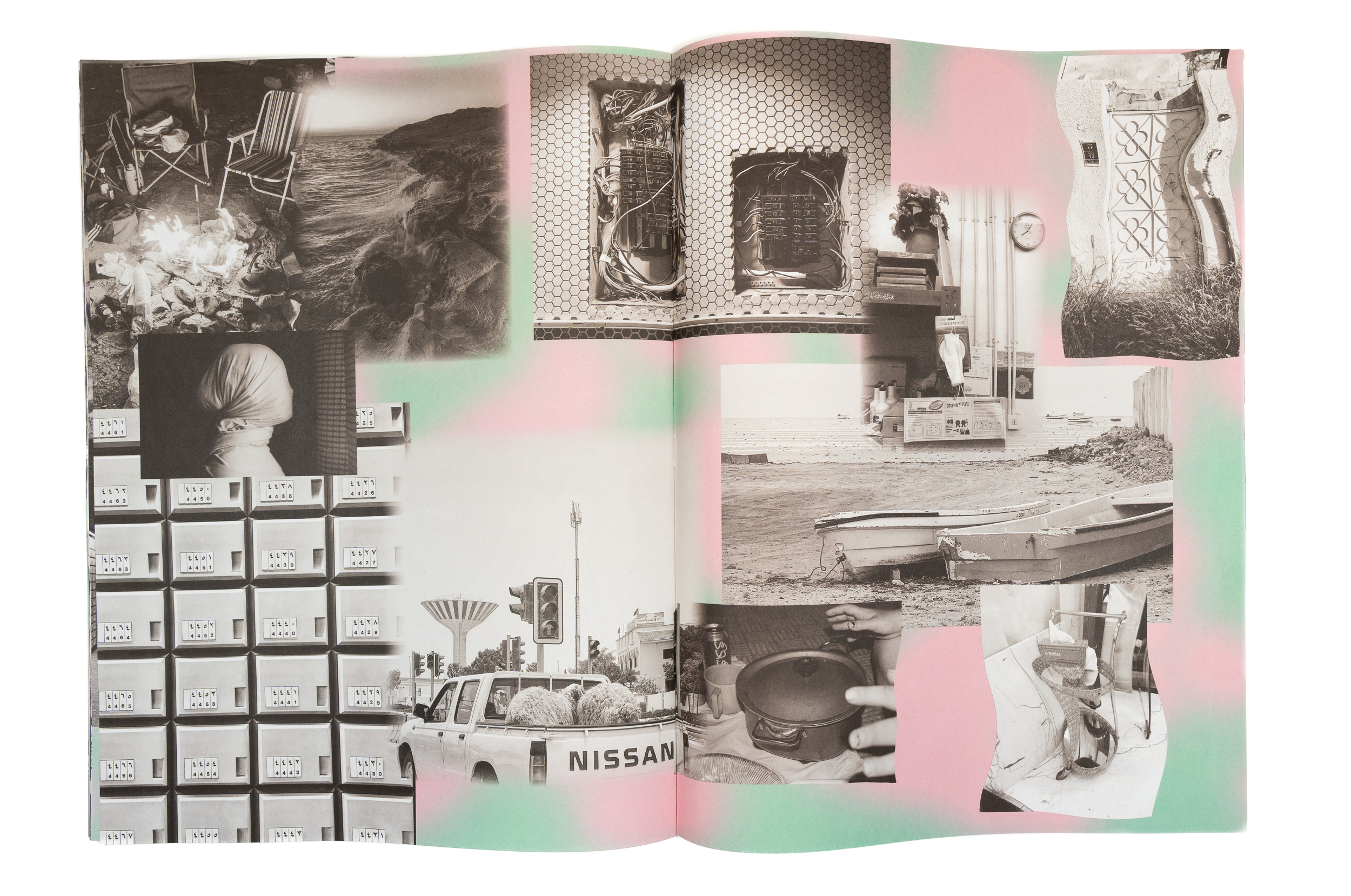
The Gulf Between Us is an open-submission photography zine that invites contributors to share their particular view of life in the Gulf. Across five volumes produced over five years, the project has gathered images from local and international artists, photographers, and residents, forming a collective portrait of the region shaped through many perspectives.
The publication embraces a non-hierarchical structure. Images are collaged, sequenced, and juxtaposed to create unexpected relationships between places, people, and moments. Meaning emerges through accumulation and proximity, allowing a broader sense of place to form—one that no single image could capture on its own.
For the Venice presentation, the project expands from the page into space. Large-format prints drawn from the five volumes are suspended and layered, echoing the publication’s collage structure, and inviting visitors to experience the work as if entering a three-dimensional spread. The installation foregrounds the collective nature of the project, where individual contributions remain distinct within a shared visual landscape.
Published by Water With Water, with support from the Institute for Creative Research at VCUarts Qatar, The Gulf Between Us reflects a research ethos grounded in openness, exchange, and participation. The work proposes a way of seeing the Gulf not through singular representation, but through the overlapping perceptions of those who live within and move through it.
Principal Investigator: Nathan Davis
Project Team: Sarah Elawad, Sherifa Eletrebi
Whisper from United Geekdom
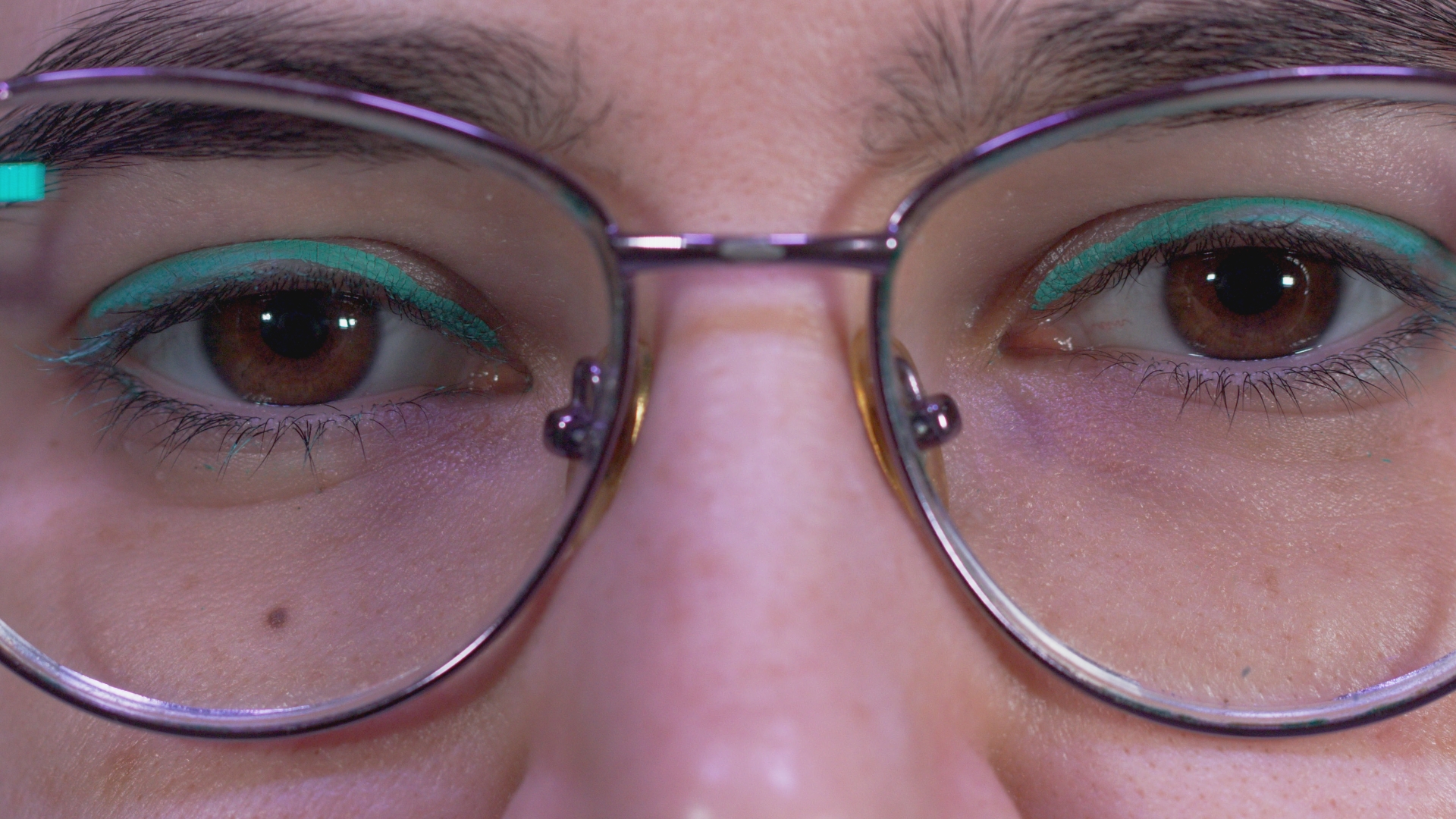
Whispers from United Geekdom explores the vibrant subcultures of gaming, cosplay, and role-playing communities within Qatar. Through intimate video “portraits” and modular installation, the project documents how participants construct imaginative worlds that challenge conventional identities and social expectations. These communities cultivate spaces of belonging where individuals experiment with multiple selves, transforming feelings of marginality into creative empowerment. By foregrounding these practices, the work complicates stereotypes about Middle Eastern cultural life, while also expanding local conversations about individuality and expression. The modular structure of the installation mirrors the flexible networks that sustain these communities—nimble, adaptive, and collaborative. Together, the voices gathered here reveal how speculative imagination can function as a powerful form of social connection and cultural self-definition, contributing to a parallel history of place.
From the Lab (Anthro-tech Atelier):
This installation celebrates how “difference” becomes mutual respect, tolerance, identity, and creativity; in short, community. Individual stories weave a deeper meaning from a Qatari landscape where the ethereal, fictional, and fantastical engage with the human need to belong and create.
The installation acknowledges geek-ness as an important voice at the social periphery. Like many peripheral subcultures, geek culture is a phenomenon with an inherent creative, pioneering, and innovative power.
Composed of a wide spectrum—from students and societal leaders to the young and old, male and female—the whisperers of the installation represent a welcoming and diverse community of geeks who all call Qatar their home.
Principal Investigators: Dr. Johan Granberg, Dr. Byradley Yyelland
Project Team: Ali Al-anssari, Alaa Albarazy, Abdulla Jassim Al-Mosallam, Ahmad Hashim Al-Mushaddani, Ahmad Al-Sharif, Karmina Asaad
In partnership with: Doha Film Institute (DFI)
Preceding Emptiness
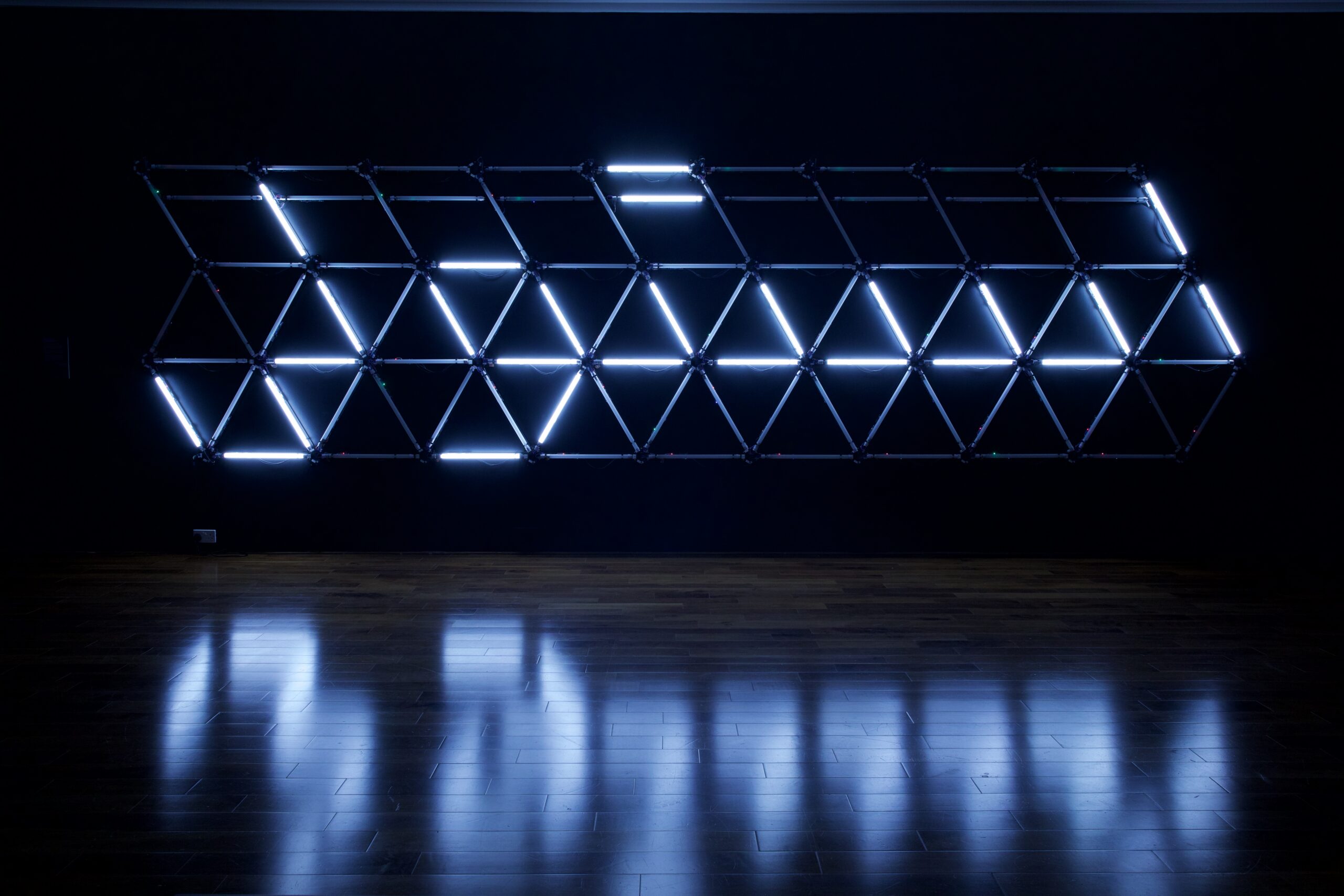
Preceding Emptiness reconsiders the relationship between language, technology, and the body, and how these occupy space. Experimental digital systems provide new geometric frameworks that allow Arabic script to inhabit computational environments on its own terms. Conventional digital infrastructures often privilege Latin alphabets, subtly shaping how languages are represented and experienced online. By foregrounding the physical gestures and spatial logics embedded in Arabic calligraphy, the project proposes an alternative digital ecology for language, not only visual but also sonoric. Visitors encounter script at an architectural scale, transforming reading into a phenomenological experience of light, movement, form, and sound. In doing so, Preceding Emptiness asserts the cultural and epistemological value of non-Western linguistic traditions, opening technological space for diverse worldviews to emerge and circulate.
From the Lab (xLab):
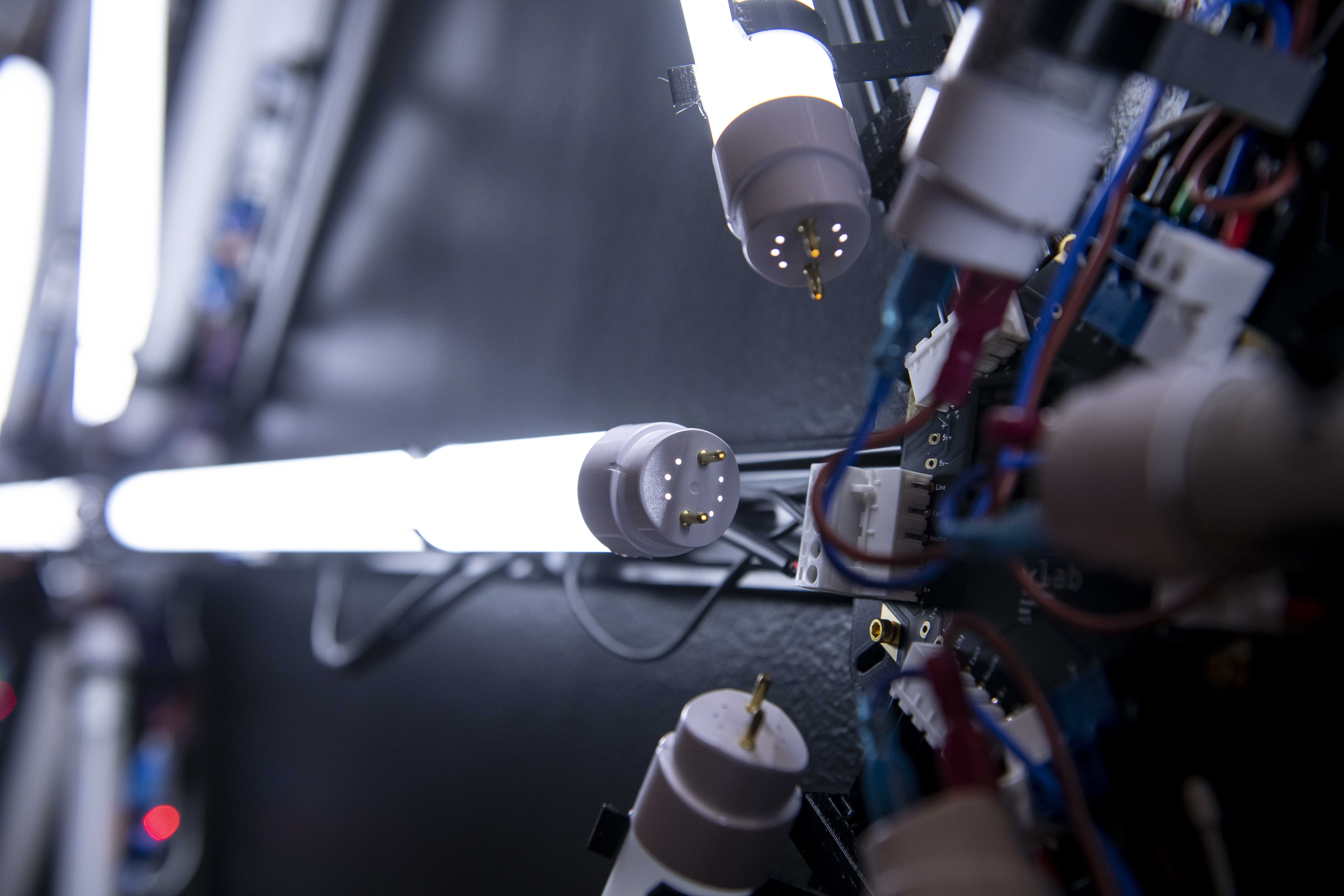
Preceding Emptiness imagines a parallel timeline in which Arabic script played a formative role in shaping the development of segmented display systems. Built using a grid of 60cm LED tubes (the standard unit of architectural lighting), the project draws from the history of modular inscription, particularly the square Kufic forms embedded into the architecture of places like the Jameh Mosque in Yazd, Iran.
Rather than adapting Arabic to Western display systems, this project builds an alphabet around the modular material logic of contemporary infrastructure. The result is a typeface that balances legibility and abstraction, retaining the essence of each glyph while expanding its formal possibilities through repetition, fragmentation, and constraint.
Principal Investigators: Dr. Haithem El-Hammali, Levi Hammett, Mohammad Suleiman
Project Team: Fatima Abbass, Hind Al Saad
A Monocular Monologue
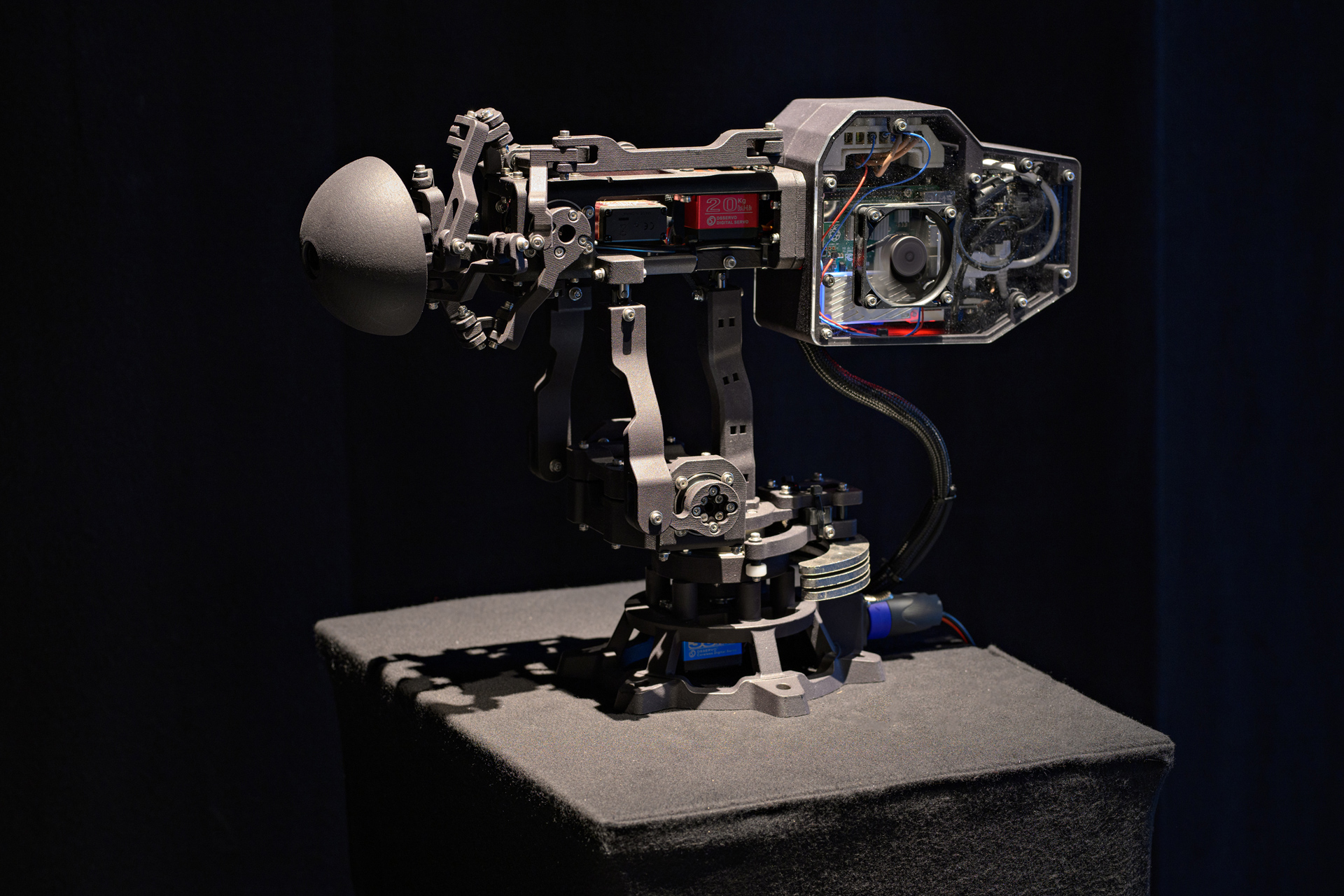
A Monocular Monologue stages a physical encounter with artificial intelligence, as both a technological artifact and philosophical mirror. A robotic figure speaks poetically about its own existence, reflecting on humanity’s long history of creating or conjuring forces that exceed its control—from natural phenomena to scientific advancement, divine intervention, and now machine intelligence. Rather than presenting AI simplistically as a threat or tool, the work situates it within this broader lineage of human ambition and uncertainty, drawing from archaic myths and histories. Meeting the robot face-to-face transforms abstraction into presence, inviting visitors to listen to a voice that embodies both our existential aspirations and anxieties. In this exchange, artificial intelligence becomes less an external adversary than a medium through which we confront enduring questions about agency, responsibility, and the limits of human understanding.
From the Lab (Mesh Lab):
A Monocular Monologue incarnates myth in the age of information and technology. It stages an encounter with a single-eyed robotic creature that fixes its gaze upon you while endlessly whispering its inner ruminations. At the intersection of Greek mythology and artificial intelligence (AI) lie compelling, albeit metaphorical, correspondences: recurring patterns that echo, repeat, and reconfigure across time.
This 3D-printed Polyphemus embodies narrow and constrained perspectives, invokes its origin in higher powers, and alludes to the monumental tasks it is made to perform. Caught between irony and nostalgia, this eye-to-eye encounter unfolds as a condition in which “the AI is present,” and inescapably watching.
Principal Investigator: Dr. Louis-Philippe Demers
… and I Was Left Behind راحوا و خلوني…
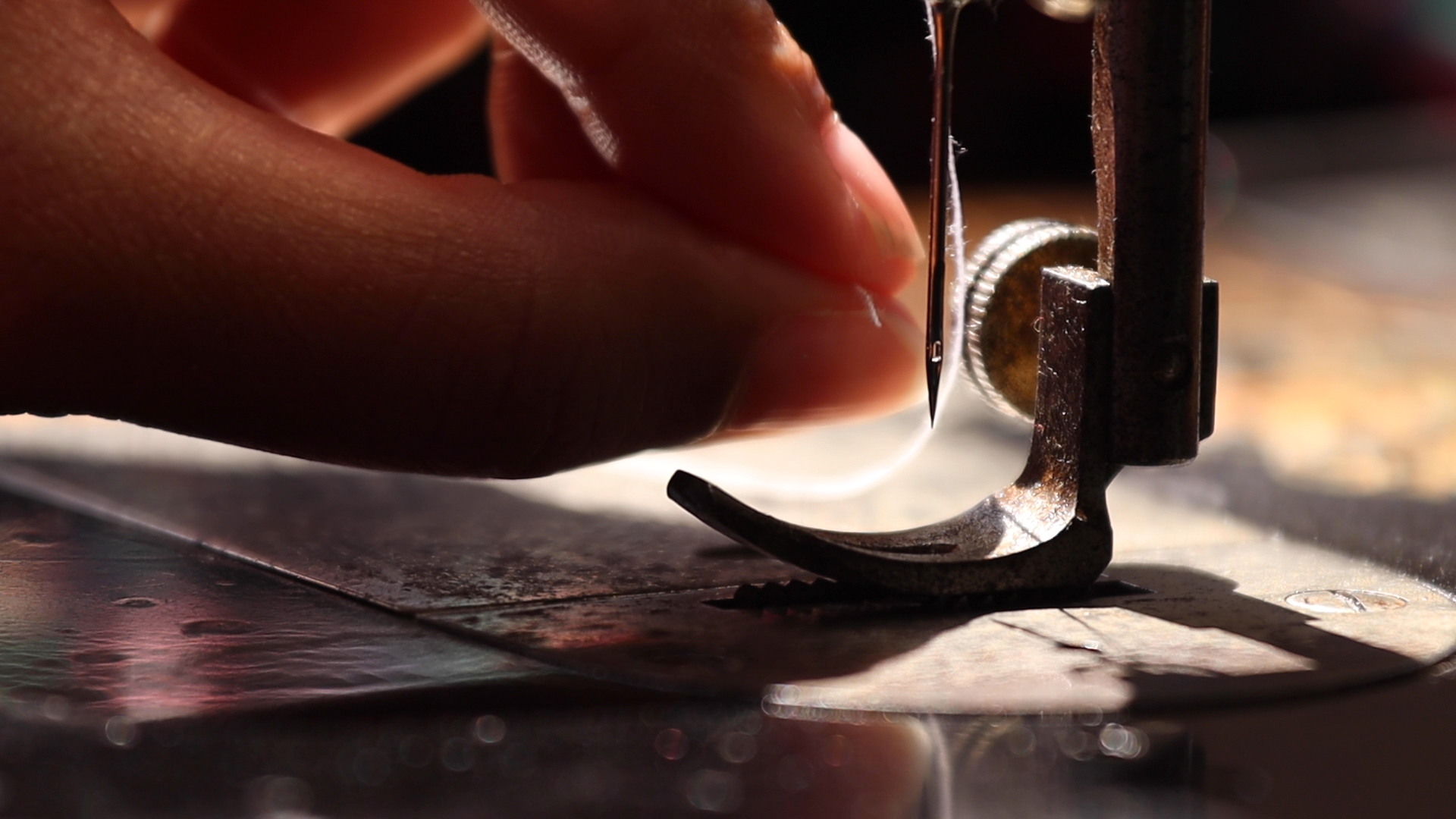
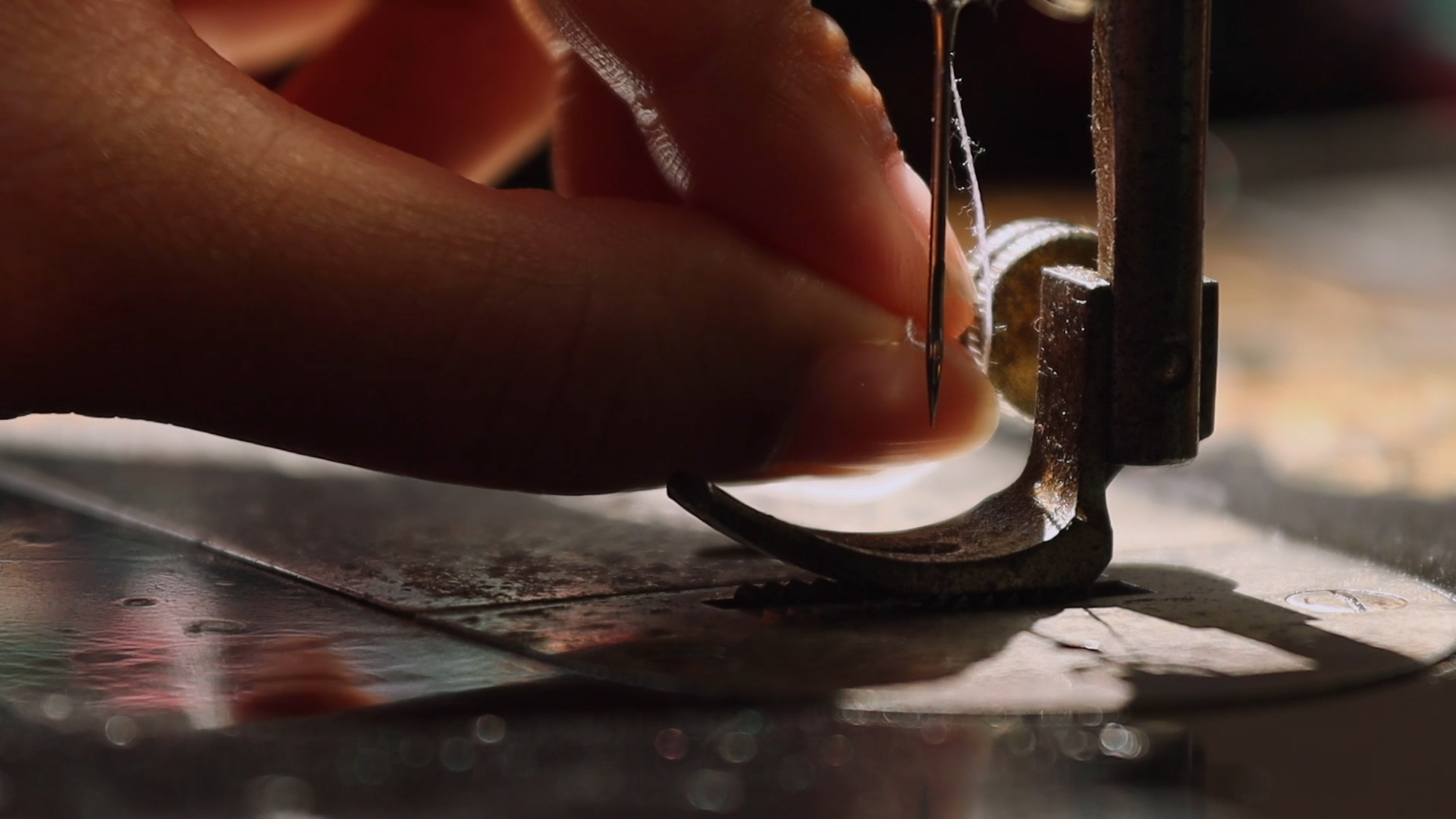
… and I Was Left Behind راحوا و خلوني… reflects on migration, separation, and loss, exploring how certain memories, especially those of childhood, sustain intimacy across distance and time. Centered on the relationship between a woman and her grandmother, the piece foregrounds sewing and textile labor as acts of care and cultural continuity. Thread is both material and metaphor—binding together stories of displacement, resilience, familial intimacy, and obligation. Through gestures of stitching and repair, the video evokes the quiet labor through which families remain connected despite temporal and geographical dispersal. Absence and displacement appear as conditions of contemporary life that demand new forms of closeness. Emphasizing the tactile languages of craft, the video reveals how cultural memory and emotional bonds are maintained through everyday acts, becoming an archive of endurance and relational knowledge.
From the Lab (Mesh Lab):
This visceral documentary moves through memory and record, tracing the moment when physical and temporal distance reframes the meaning of stories told across generations.
Emerging from a condition of separation where distance, borders, and politics suspend the certainty of return, the work recalls a familiar rupture once carried by earlier generations in Kuwait and the Gulf region, a time when border crossings were less bureaucratic, yet travel was perilous, prolonged, and shadowed by the possibility of not seeing one another again.
Within a state of saudade, words, gestures, poems, and songs are revisited through reenactment as an attempt to relate to a family history passed from grandmother to grandchild long after she has gone. Fragments of childhood are reinhabited, where roles blur, and the boundaries between past and present, self and other, begin to shift.
Memory is not recalled but performed, and what was once heard returns altered, as absence and time sharpens inherited narratives.
Principal Investigator: Maysaa Almumin
Project Team: Dr. Suzannah Mirghani